 By Phyllis Domingo, REALTOR® · San Antonio Relocation Specialist · 6 min read
During peak cedar season, pollen counts in San Antonio and the Hill Country can hit 20,000 to 25,000 grains per cubic meter, and for many newcomers those numbers come with a surprise: what feels like a winter flu is actually allergies.
What cedar fever is, and what it is not
Cedar fever is not a virus, and it is not really a fever either. It is an allergic reaction to the pollen of the Ashe juniper, the tree locals simply call mountain cedar. When the tree releases that fine pale pollen, it rides the winter wind for miles, and the reaction is intense enough that many newcomers are certain they have caught the flu.
The name stuck because of how it feels: a runny nose, congestion, fatigue, and sometimes a low-grade temperature. But the trigger is always the same, Ashe juniper pollen, one of the most potent allergy triggers in the region.
Why San Antonio and Boerne sit in the cedar bullseye
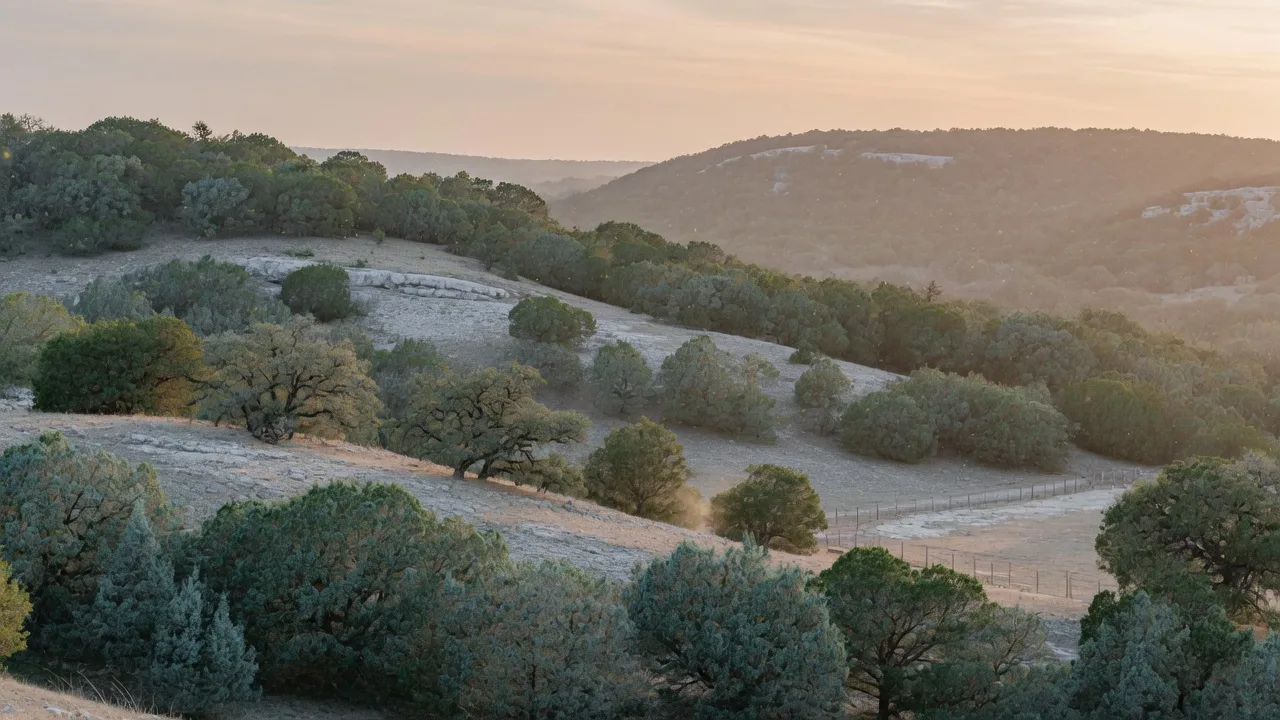
San Antonio sits right on the eastern edge of the Hill Country, and the Hill Country is home to some of the densest cedar forests on the planet. That geography is exactly why cedar fever in San Antonio and Boerne is such a seasonal fact of life: the trees blanket the hills to the north and west, and winter winds carry their pollen straight into the city and the towns that ring it.
Allergies when moving to San Antonio are a conversation every relocating family ends up having, because this particular pollen is local, predictable, and forceful. Boerne allergies follow the same pattern, since the town sits surrounded by the same cedar hills.
When mountain cedar season hits the Texas Hill Country
Mountain cedar season in the Texas Hill Country runs roughly from December through mid-February, and it typically peaks in mid-January. The timing catches newcomers off guard, because most people expect allergy season to arrive with spring flowers, not in the dead of winter.
Cold fronts are the other half of the story. When a strong front pushes through, the wind pulls pollen down out of the hills, which means a bright sunny day right after a front can be the worst day of the whole season for allergy sufferers. Watch the forecast, not just the calendar.
Why it can feel exactly like a cold or the flu
The symptoms are why so many newcomers wonder whether they are actually sick: fatigue, a sore throat, coughing, a runny or stuffy nose, itchy and watery eyes, and sometimes a low-grade fever. It genuinely can feel like a winter illness.
There are honest tells. Cedar fever tends to come in waves tied to windy days, it does not respond to cold medicine the way a virus does, and it clears up when pollen counts drop. If you just landed and you are miserable, this is one of the most common first Hill Country winters a newcomer can have.
Practical allergy relief tips for newcomers
Once you know what is happening, the season gets far easier to manage. A few things that help newcomers most:
- Start over-the-counter allergy medicine before symptoms ramp up, ideally a couple of weeks before cedar season peaks, and take it consistently through January.
- Keep windows shut on high-count days and run the recirculation setting in the car instead of pulling in outside air.
- Use HEPA filters indoors, especially in bedrooms, and change them on schedule through the season.
- Rinse off after being outside, hair included, and change clothes before settling into the couch or the bed.
- Check local pollen counts daily during the worst stretch so you can plan outdoor time for the better days.
When it is worth seeing a doctor
Most cedar fever seasons can be managed at home, but some reactions do not respond to over-the-counter options. If symptoms keep you up at night, drag on week after week, or come with a true fever, real breathing trouble, or sinus pressure that will not ease, a doctor or an allergist is the right next stop.
I am a REALTOR, not a physician, so treat that as the common-sense version rather than medical advice. An allergist who treats the Hill Country will recognize your symptoms immediately, which is oddly reassuring when you feel terrible.
Locals plan around cedar season, and it does not last all year
Here is the reassurance every newcomer needs: locals plan around cedar season the way they plan around summer heat. It is intense, it is predictable, and it ends. By late February the counts are falling, and the rest of the year the hills are glorious.
The allergy calendar is one honest data point in a bigger decision. If you are weighing towns, the Boerne neighborhood guide walks each area of town one by one, and the 2026 Boerne relocation guide covers schools, commutes, and the moving details. On the city side, the San Antonio cost of living guide puts the budget picture in perspective.
On the days that are not cedar days, get outside anyway: our guide to Hill Country parks is built for exactly those afternoons.
And one more newcomer question arrives right alongside the allergy questions: what the internet is actually like out here. Our guide to internet in Boerne covers which providers reach which addresses, so you can plan your first Hill Country winter with both fronts covered.
Sources
Sources: KSAT, San Antonio Allergy & Asthma, San Antonio Express-News.