Seguin is the county seat of Guadalupe County, an old river town on the Guadalupe River about 35 miles east of San Antonio that has become one of the I-10 corridor's most interesting affordability plays. It is pronounced sih-GHEEN, it has been growing fast, and it mixes a genuinely historic square with new suburbs and an enormous riverside park system. For buyers who want a real small town, Texas history, and a price that stretches further, Seguin is a compelling answer.
The feel of the area
What it's like to live here
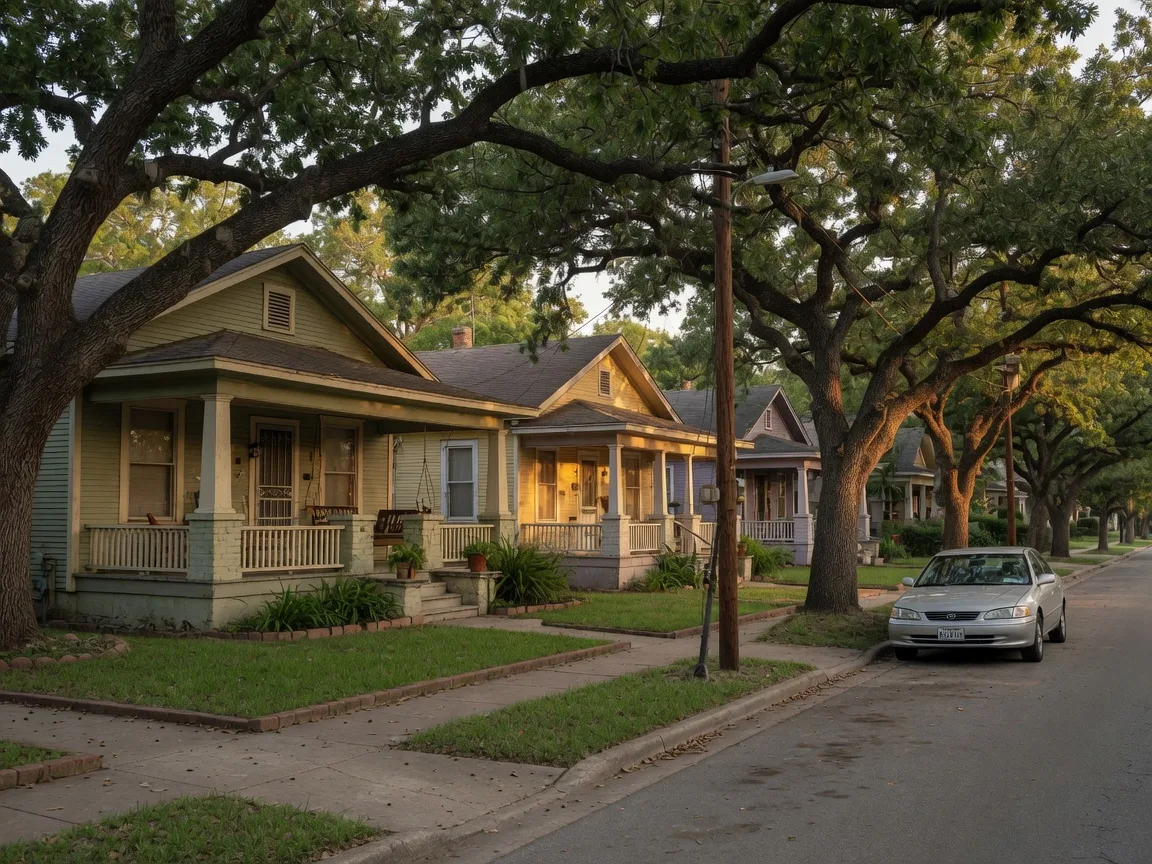
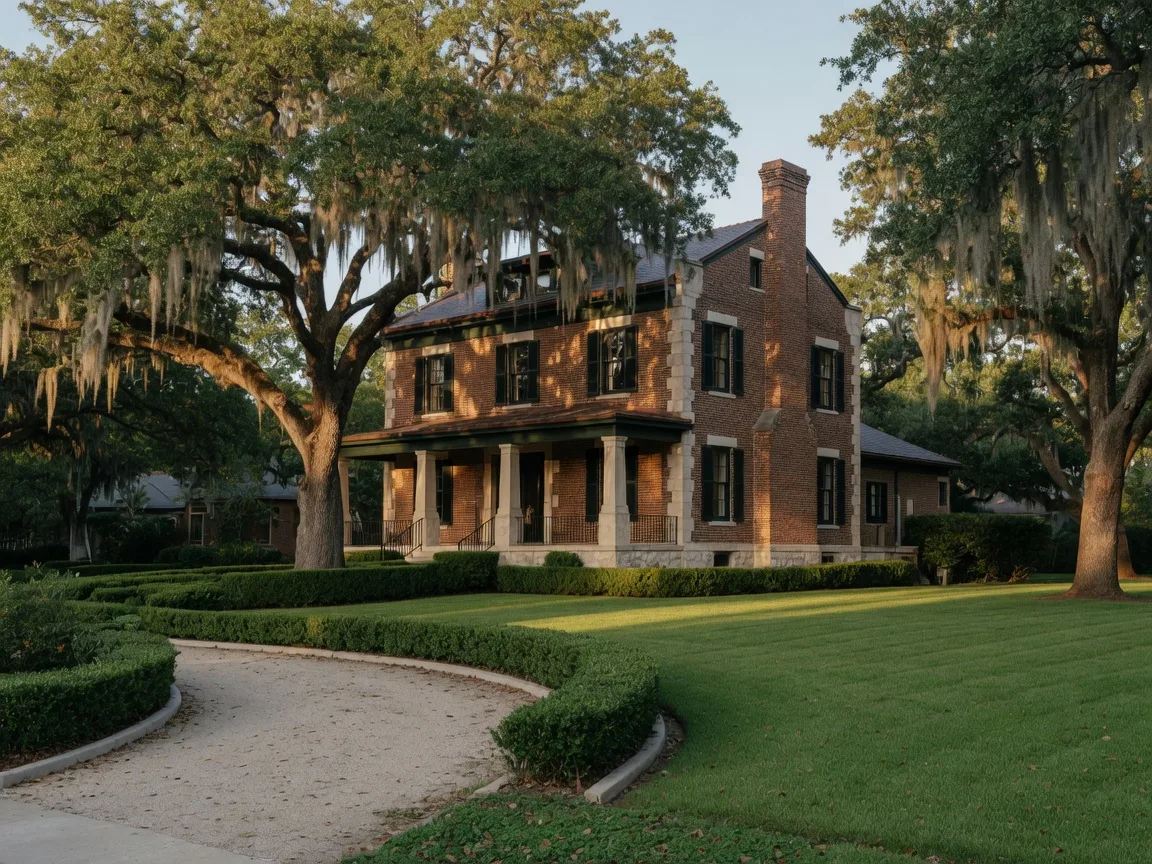
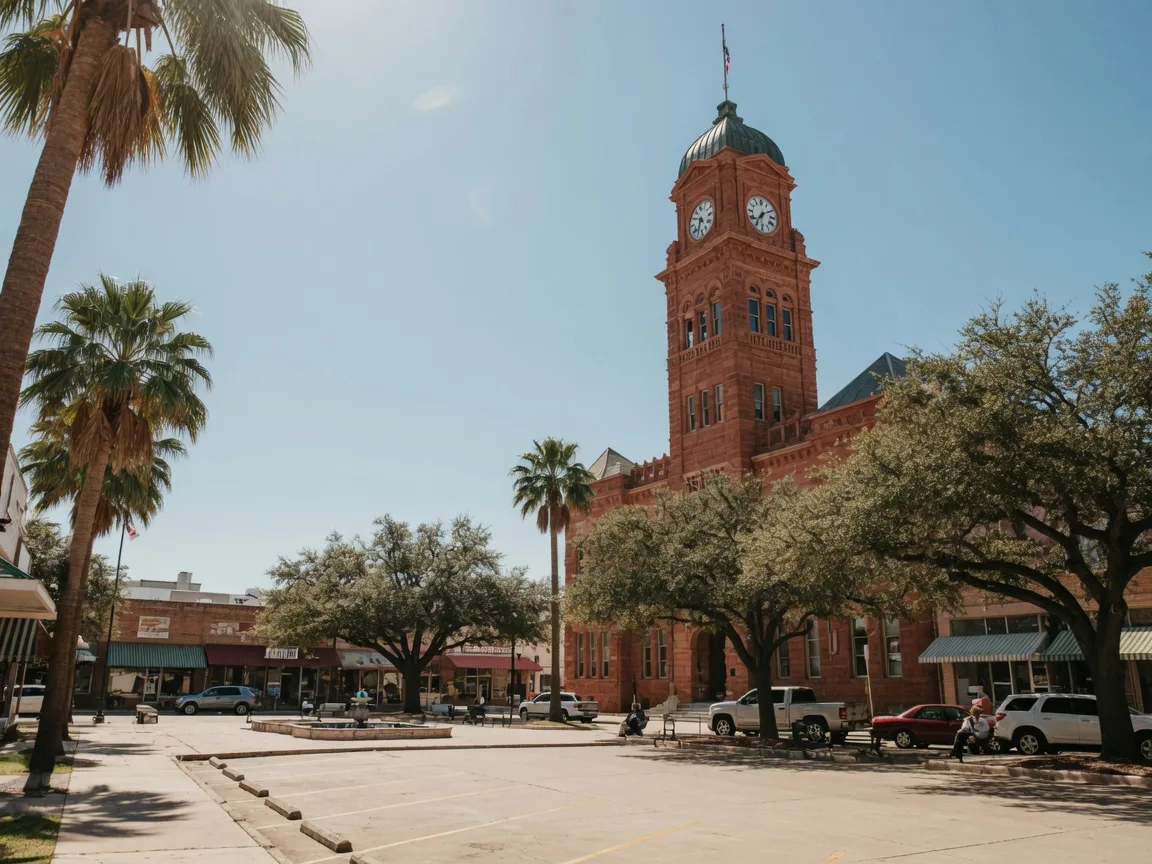
Seguin wears its history proudly. The 1916 courthouse anchors a handsome square, Sebastopol House shows off poured limecrete construction from 1856, and the town once called itself the Mother of Concrete Cities for pioneering the material. Walking downtown feels like stepping into a well-kept postcard.
Underneath the history, Seguin is booming. New subdivisions ring the old town, industry and logistics along I-10 keep employment close, and the city is increasingly a commuter suburb for people who want more house and history for their money. The river is the thread connecting old and new: Max Starcke Park, an enormous 227-acre park on the Guadalupe, is the city's living room.
The pace of life is plainly smaller and slower than San Antonio's, and residents like it that way. The square is busy on Saturday mornings, school events fill the calendar, and the river draws people outdoors nearly year-round.
Housing market
Homes and what to expect
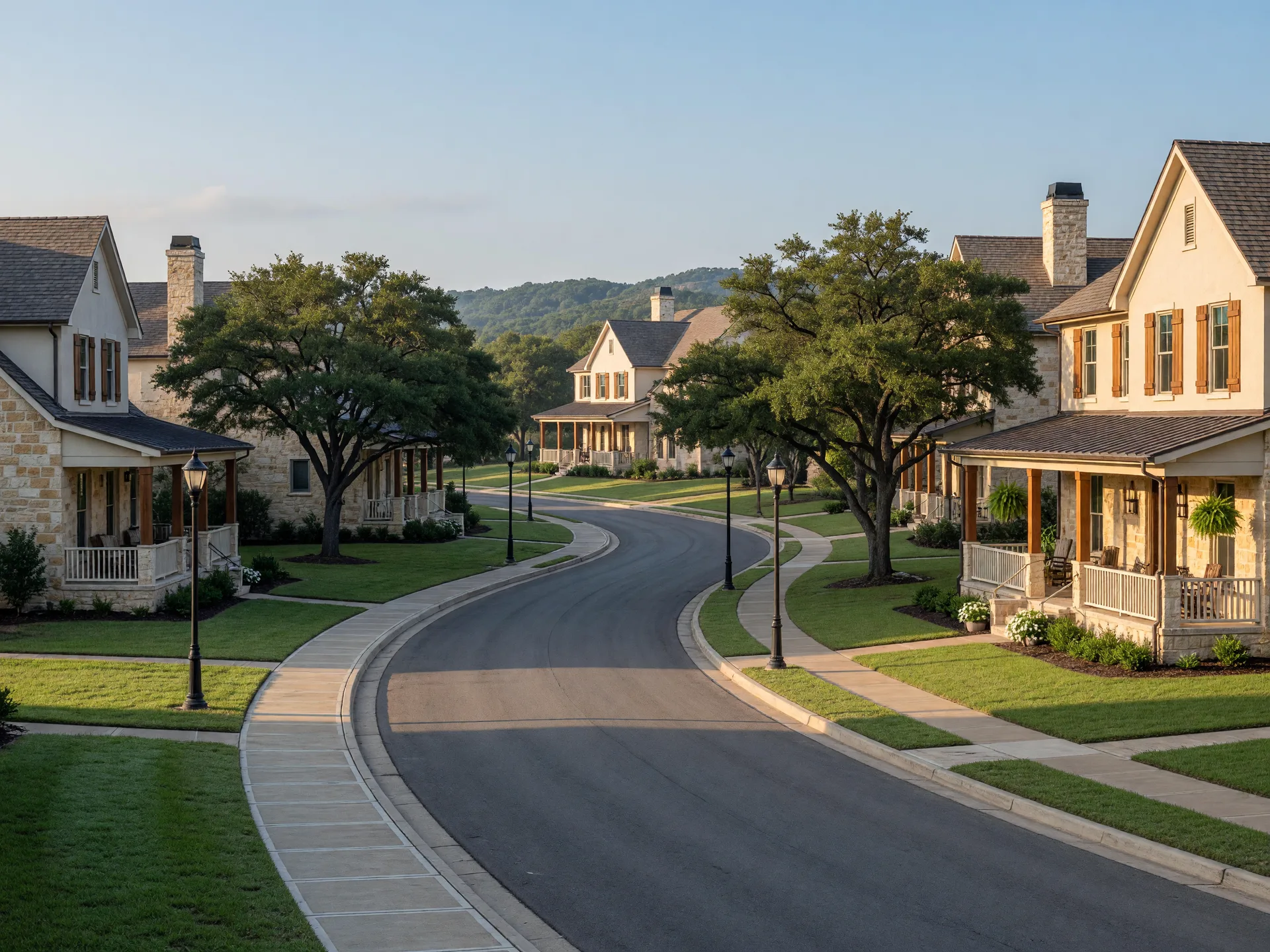
Seguin's market splits between vintage in-town homes near the square and newer subdivisions around the edges. In town you can find historic cottages and bungalows, often with real character and price tags that surprise San Antonio buyers. The new construction is classic Texas suburban: brick and stone, three and four bedrooms, neighborhood parks. Recent sales have centered around $280,000 to $315,000 for the median, with most closings between about $225,000 and $337,000. It remains one of the more affordable commuter towns in the metro, and I will pull current numbers for whatever range you care about.
Market snapshot
Price Ranges
- Most recent sales
- $225K – $337K
- Median sale price (2026)
- ~$280K – $315K
- Larger newer builds
- ~$350K – $450K
Land
Typical Lot Sizes
- Older in-town lots
- 0.15 – 0.3 acres
- Newer subdivisions
- 0.15 – 0.35 acres
- Riverside and acreage
- 0.5 – 5+ acres
Schools
Seguin ISD
Seguin ISD is the largest district in Guadalupe County, covering 365 square miles with about 7,200 students across 14 campuses, including seven elementary schools, two middle schools, and Seguin High School. It is a growing, working district rather than a boutique one, and families here tend to be happy with the neighborhood-school model. A small fringe of the city sits in Navarro ISD, so the address check applies as it does everywhere.
Getting around
Commute and access
Seguin sits about 34 to 36 miles east of downtown San Antonio on I-10, a drive that typically runs 35 to 45 minutes and a bit longer in peak hours, especially while I-10 interchange work continues. Loop 1604 connects you across the metro, and Austin is roughly 75 minutes up I-35. It is a real commute, but the trade is a genuinely lower cost per square foot and a whole different pace of life.
Lifestyle
Things to do in Seguin
The Guadalupe River defines Seguin's weekends. Max Starcke Park runs along it with a golf course, wave pool, disc golf, trails, and picnic grounds, and there is a growing paddling scene. The square brings restaurants, coffee, and events, ZDT's Amusement Park covers the family-fun niche, and the annual Pecan Fest and other celebrations fill the calendar. When you want the big city, I-10 puts downtown San Antonio about 35 to 40 minutes away, and New Braunfels is closer still.
Explore more local guides
Who it's for
Seguin fits buyers who want serious value and a real town: first-time buyers stretching their dollar, families who like the river and the square, remote workers who rarely need downtown, and retirees who want history, a slower pace, and proximity to good medical care in the metro. If your daily commute to downtown would be painful, it is not the right trade for you, and I will tell you so.
Seguin FAQ
Is Seguin a suburb or its own town?
Its own town, and proud of it. It is the Guadalupe County seat with its own courthouse square, school district, and identity, even as new subdivisions make it more commuter-friendly every year.
How long does it take to get to San Antonio?
About 35 to 45 minutes on I-10 depending on the time of day, longer at rush hour. It is a working commute that many people make, but you should drive it before you buy.
What is the housing market like?
One of the more affordable in the metro: medians around $280,000 to $315,000, plenty of family homes in the $200,000s and $300,000s, and historic in-town character that is hard to find at any price.
How are the schools?
Seguin ISD is the largest district in Guadalupe County, with a full K-12 footprint and steady enrollment growth. It is a solid, community-anchored district rather than a nationally ranked one, and the best way to judge fit is a school visit.
Let me help you call Seguin home.
If you have ever thought you would love a historic Texas town if only you could still get to San Antonio for work, Seguin is the town to test that theory. Let me show you the river, the square, and the neighborhoods, and be honest about the commute and the schools for each one. Reach out, or book a free consult and we'll start the conversation.